

Junior Golf Programs: Golf Lessons Perfect for Juniors

When I first started teaching golf to young players, I quickly realized how important it is to tailor lessons specifically for juniors. Kids have different learning styles, attention spans, and physical abilities compared to adults. That’s why junior golf programs need to be designed with care, patience, and a lot of encouragement. Over the years, I’ve seen how the right approach can spark a lifelong passion for golf in young players. Today, I want to share some insights and tips on what makes golf lessons perfect for juniors and how these programs can help them grow both on and off the course.
Why Junior Golf Programs Matter
Junior golf programs are more than just a way to learn how to swing a club. They are a foundation for building confidence, discipline, and social skills. When kids join a well-structured program, they get to experience golf in a fun and supportive environment. This is crucial because golf can sometimes feel intimidating or frustrating for beginners.
In my experience, the best junior golf programs focus on:
Age-appropriate instruction: Teaching techniques that match the child’s physical development.
Short, engaging sessions: Keeping lessons fun and interactive to hold their attention.
Positive reinforcement: Celebrating small wins to build confidence.
Group activities: Encouraging teamwork and friendly competition.
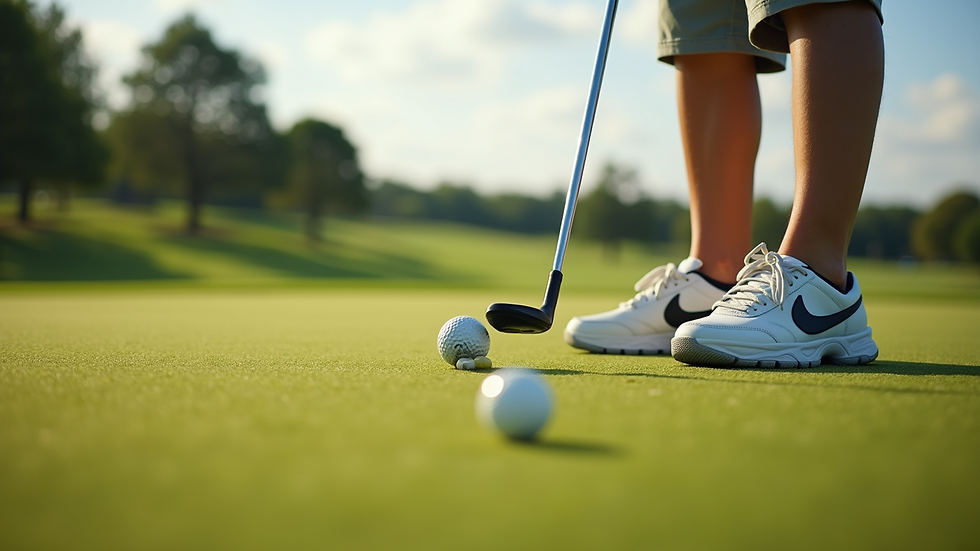
For example, I often start with simple putting drills that help kids develop hand-eye coordination. Then, we gradually introduce full swings and course etiquette. This step-by-step approach helps juniors feel successful early on, which motivates them to keep improving.
How to Choose the Right Junior Golf Program
Choosing the right program can make all the difference. When I recommend programs, I look for a few key qualities that ensure juniors get the most out of their lessons:
Qualified Instructors: Coaches should have experience working with children and understand how to communicate effectively with them.
Small Class Sizes: Smaller groups mean more personalized attention and better learning outcomes.
Flexible Scheduling: Families appreciate programs that offer lessons after school or on weekends.
Focus on Fundamentals: Programs should emphasize the basics of grip, stance, and swing before moving on to advanced techniques.
Fun and Variety: Incorporating games and challenges keeps kids engaged and excited.
If you’re looking for golf lessons for juniors, make sure to ask about these features. A good program will also provide opportunities for kids to play on the course, not just practice on the range. This real-world experience is invaluable.
What is the 70/30 Rule in Golf?
One concept I often introduce to juniors is the 70/30 rule. It’s a simple way to help them understand how to balance practice and play. The rule suggests that 70% of your time should be spent practicing specific skills, while 30% should be spent playing actual rounds of golf.
Why does this matter? Because practice without application can feel disconnected, and playing without practice can lead to frustration. By following the 70/30 rule, juniors develop their skills in a focused way while also learning how to handle the challenges of a real game.
For example, a junior golfer might spend most of their lesson time working on putting or driving techniques. Then, they’ll play a few holes to apply what they’ve learned and experience course management. This balance keeps lessons practical and enjoyable.
Tips for Parents Supporting Junior Golfers
As someone who has worked closely with families, I know how important parental support is. Here are some practical tips I share with parents to help their kids thrive in golf:
Encourage Regular Practice: Even short, daily practice sessions can make a big difference.
Celebrate Effort, Not Just Results: Praise your child for trying hard, regardless of the score.
Attend Lessons When Possible: Watching lessons helps you understand what your child is learning and how to support them.
Provide the Right Equipment: Junior clubs that fit their size and strength make learning easier and safer.
Be Patient: Progress takes time, and every golfer develops at their own pace.
I remember one young player who struggled with frustration early on. Her parents stayed positive and consistent, and over time, she blossomed into a confident golfer who loved the game. That kind of support is priceless.

Building a Lifelong Love for Golf
At the heart of every junior golf program should be the goal of fostering a lifelong love for the game. Golf is not just about competition; it’s about enjoying nature, making friends, and learning valuable life skills like patience and integrity.
When I teach juniors, I always remind them that golf is a journey. There will be good days and tough days, but the key is to keep showing up and having fun. The lessons they learn on the course often translate into other areas of life, helping them grow into well-rounded individuals.
If you’re considering golf lessons for your child, look for programs that emphasize enjoyment and personal growth alongside skill development. That’s the kind of experience that stays with kids long after their first swing.
Golf is a wonderful sport that offers so much to young players. With the right junior golf programs, personalized coaching, and supportive families, kids can develop skills and memories that last a lifetime. I’m proud to be part of a community that helps juniors discover the joy of golf and build confidence one swing at a time. If you want to learn more about how to get started, feel free to reach out or explore local options that fit your family’s needs. Happy golfing!


Comments